Understanding Full Mouth Dental Implant Prices
Discover the costs and benefits of full mouth dental implants for seniors and individuals seeking good solutions for missing teeth.
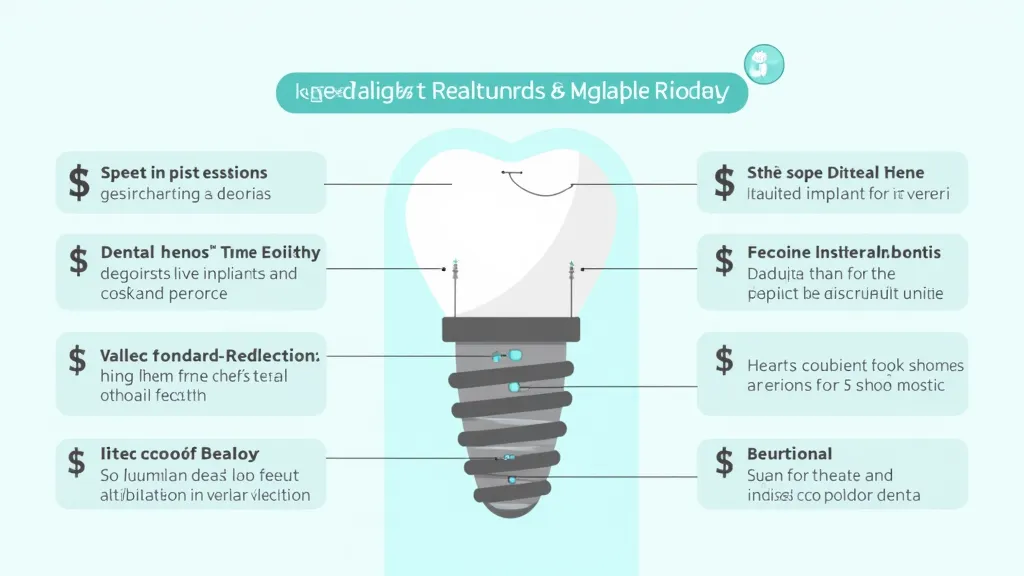
Introduction to Full Mouth Dental Implants
Full mouth dental implants offer a revolutionary solution for those who have lost many or all of their teeth. This procedure is particularly beneficial for seniors who seek a good and functional replacement for their natural teeth. Understanding the costs associated with full set of teeth implants is crucial for making an informed decision.
What Are Full Mouth Dental Implants?
Full mouth dental implants involve surgically placing a series of titanium posts into the jawbone, which act as anchors for a complete set of replacement teeth. Unlike traditional dentures, which can slip or cause discomfort, good dental implants provide stability and a natural appearance. Many patients report improved confidence and quality of life following the procedure.
Factors Influencing Full Set of Teeth Implant Cost
The cost of a full set of teeth implants can vary widely based on several factors:
- Location: Dental implant prices can differ based on geographical location. Costs in urban centers may be higher than in rural areas.
- Dental Materials: The type and quality of materials used in the implants and prosthetics can impact the overall cost.
- Dental Specialist: The experience and reputation of the dental professional performing the procedure can also affect pricing.
- Additional Procedures: Some patients may require additional treatments, such as bone grafting or sinus lifts, which can increase overall costs.
Average Costs of Full Mouth Dental Implants
The price of full mouth dental implants can range significantly. On average, patients can expect to pay between $30,000 to $90,000 for a complete set of dental implants. This range includes all associated costs, including consultations, surgeries, and prosthetics.
Dental Implant Prices for Seniors
Seniors often seek dental implants due to the good benefits they provide. While the initial investment may seem high, the durability and functionality of good dental implants can save money in the long run compared to traditional dentures. Many dental offices also offer financing options to make the procedure more accessible for seniors.
Good Dental Implants and Their Benefits
Good dental implants come with numerous advantages:
- Improved Functionality: Unlike removable dentures, dental implants allow for better chewing and speaking.
- Enhanced Aesthetics: Implants look and feel like natural teeth, restoring confidence in one’s smile.
- Bone Preservation: Implants prevent bone loss that often occurs after tooth loss, maintaining the structure of the jaw.
- Longevity: With proper care, dental implants can last a lifetime, making them a worthwhile investment.
Financing Options for Dental Implants
Given the high costs associated with full mouth dental implants, many patients seek financial assistance. Some options include:
- Dental Insurance: While not all plans cover implants, some may offer partial coverage or benefits for related procedures.
- Financing Plans: Many dental practices provide financing solutions that allow patients to pay in installments.
- Health Savings Accounts: Utilizing HSA or FSA funds can help cover the costs of dental implants.
Frequently Asked Questions (FAQ)
1. Are full mouth dental implants worth the cost?
For many patients, the good benefits and improved quality of life justify the investment in full mouth dental implants.
2. How long do dental implants last?
With proper care, dental implants can last a lifetime, making them a durable solution for tooth loss.
3. What is the recovery time for dental implants?
Recovery can vary, but many patients feel comfortable resuming normal activities within a few days to a week post-surgery.
4. Do dental implants hurt?
Patients typically report minimal discomfort during the procedure due to anesthesia, and pain can be managed with medication afterward.
5. Can anyone get dental implants?
Very adults are candidates for dental implants, but individuals with certain health conditions may need further evaluation.
Conclusion
Full mouth dental implants represent a significant investment but can greatly enhance quality of life for seniors and others with missing teeth. By understanding the costs, benefits, and financing options, patients can make informed decisions about their dental health. If you are considering dental implants, consult with a reputable dental professional to explore your options and create a personalized treatment plan.