Enhancing Safety and Mobility with a Walk-in Bathtub
Walk-in bathtubs can significantly improve safety and mobility for those with limited mobility or age-related challenges. Let's explore tips for getting the very out of these life-enhancing solutions.
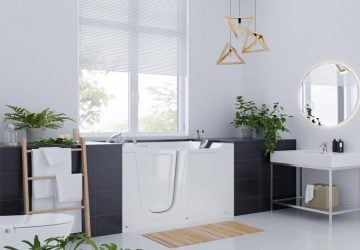
Walk-in bathtubs can significantly improve safety and mobility for those with limited mobility or age-related challenges. Let's explore tips for getting the very out of these life-enhancing solutions.
Why Opt for a Walk-in Bathtub?
Walk-in bathtubs are specifically designed to offer ease of use and enhanced safety. Traditional bathtubs pose fall risks due to high steps and slippery surfaces. Walk-in bathtubs feature low thresholds, built-in seating, and handrails, making them a safer alternative.
Key Features for Improved Safety
When considering a walk-in bathtub, it's crucial to focus on features that enhance safety. Here are some vital components:
1. Low Step-In Threshold
A low step-in threshold reduces the risk of tripping and falling. This is especially important for individuals with limited mobility, enabling them to enter and exit the tub safely.
2. Slip-Resistant Flooring
Ensure the bathtub has a slip-resistant floor. Wet surfaces can be hazardous, but a textured bottom provides extra traction, minimizing the potential for slips.
3. Built-In Seating
Built-in seating is essential for those who may struggle to stand for long periods. A secure, ergonomic seat offers stability and comfort during bathing.
4. Handrails and Grab Bars
Handrails and grab bars are indispensable for added support. They help in maintaining balance and preventing falls as you maneuver in and out of the bathtub.
Enhancing Mobility with Your Walk-in Bathtub
A walk-in bathtub can greatly enhance your mobility, especially when paired with additional tools and techniques.
1. Use of Transfer Benches
Transfer benches allow for easy transitions from a wheelchair or walker into the bathtub. A sturdy, reliable bench reduces the risk of falls and makes the bathing process simpler.
2. Adjustable Shower Heads
An adjustable shower head adds to the convenience, allowing you to direct the water flow where it's needed without having to move around too much. This is ideal for seated bathing.
3. Anti-Scald Valves
Anti-scald valves ensure a consistent water temperature, preventing sudden temperature changes that could cause burns or discomfort. This feature is especially beneficial for individuals with sensitivity to hot or cold water.
Installation and Maintenance Tips
Proper installation and regular maintenance are key to ensuring the longevity and safety of your walk-in bathtub.
1. Professional Installation
Have your bathtub installed by a professional. Proper installation is critical to avoid leaks, ensure stability, and secure all safety features effectively.
2. Regular Cleaning
Regular cleaning prevents mold and mildew buildup, which can create slippery surfaces. Use non-abrasive cleaners to maintain the integrity of the tub’s surfaces.
3. Inspect Safety Features
Periodically check the condition of handrails, grab bars, and slip-resistant flooring. If any feature seems worn or damaged, repair or replace it promptly.
Customizing Your Walk-in Bathtub
Customization can further enhance the safety and convenience of your walk-in bathtub. Consider these additional features:
1. Walk-In Tubs with Jets
Hydrotherapy jets can provide added therapeutic benefits, helping soothe sore muscles and improve circulation.
2. Heated Surfaces
Heated surfaces, such as seats and backrests, offer extra comfort during colder months or for individuals with conditions causing poor circulation.
3. Voice-Activated Controls
Voice-activated controls provide a hands-affordable way to operate various functions of the bathtub, further reducing the need for physical movements that could lead to injury.
Financial Considerations
While a walk-in bathtub is a valuable investment, it’s important to consider the costs and explore potential financial assistance options.
1. Insurance and Medicare
Check if your insurance or Medicare plan covers part of the cost of a walk-in bathtub. You may be eligible for partial reimbursement if it’s deemed a medical necessity.
2. Financing Options
Many manufacturers offer financing options to spread out the cost over manageable monthly payments. Ensure you understand the terms before committing.
3. Tax Deductions
In some cases, home modifications for medical reasons can be tax-deductible. Keep all receipts and consult a tax advisor to explore this possibility.
Conclusion
Walk-in bathtubs offer a safer and more convenient option for individuals with mobility challenges. By focusing on specific safety features, enhancing mobility with additional tools, and ensuring proper installation and maintenance, you can enjoy a more secure and comfortable bathing experience. Customizing your bathtub to meet your specific needs, understanding financial considerations, and taking advantage of potential assistance programs can make this essential upgrade more accessible.