Your Guide to Ethical Sourcing and Lab Diamonds: Transparency Tips
In a world increasingly focused on sustainability, understanding ethical sourcing and transparency in lab diamonds is crucial. This guide offers insights on making responsible diamond choices.
Understanding Ethical Sourcing in Diamonds
Ethical sourcing ensures that the materials used are acquired without harming people or the environment. When it comes to diamonds, ethical sourcing guarantees the mining process is fair and humane.
1. What is Ethical Sourcing?
Ethical sourcing involves obtaining goods and services in a responsible and sustainable manner. This includes fair labor practices, environmentally sustainable mining, and supporting communities. For diamonds, this means avoiding conflict or "blood diamonds," which fund violence and exploitation.
2. Why Ethical Sourcing Matters
Ethical sourcing impacts not only the environment but also the communities where diamonds are mined. Choosing responsibly sourced diamonds helps reduce environmental destruction, supports fair labor practices, and maintains the well-being of mining communities.
3. How to Ensure Ethical Sourcing
Look for certifications such as the Kimberley Process Certification Scheme (KPCS), which aims to prevent conflict diamonds from entering the market. Additionally, rely on brands and retailers committed to ethical sourcing practices.
Embracing Lab Diamonds for Ethical Jewelry
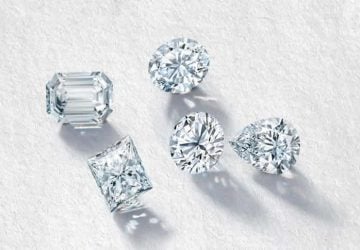
Lab diamonds, or synthetic diamonds, are created in controlled laboratory environments and offer several advantages over traditionally mined diamonds.
1. What are Lab Diamonds?
Lab diamonds are cultivated using advanced technological processes that simulate the conditions under which natural diamonds form. These diamonds have the same physical, chemical, and optical properties as natural ones.
2. Ethical and Environmental Benefits
Reduced Environmental Impact
: Lab diamonds circumvent the severe environmental degradation associated with traditional diamond mining, such as soil erosion and habitat destruction.Provenance Control
: Lab conditions allow for strict monitoring, ensuring the ethical and sustainable practices lacking in some mining operations.
3. Cost-Effectiveness of Lab Diamonds
Lab diamonds generally cost 20-40% less than mined diamonds due to streamlined production processes and fewer supply chain complexities. This cost advantage allows consumers to make ethical choices without compromising on quality.
Transparency in the Diamond Industry
Transparency is critical in ensuring consumers are fully informed about where and how their diamonds are sourced and manufactured.
1. Importance of Transparency
Transparency builds consumer trust and ensures accountability within the diamond industry. When companies are open about their sourcing and manufacturing processes, consumers can make more informed decisions.
2. How to Determine Transparency
Documentation and Certification
: Ensure that the diamonds come with comprehensive documentation outlining their origins. Certifications by reputable organizations like the Gemological Institute of America (GIA) can attest to a diamond’s authenticity and ethical sourcing.Brand Reputation
: Purchase from reputable brands known for their commitment to ethical sourcing and transparency. Research their sourcing practices, community involvement, and environmental policies.
3. Tools for Transparency
Blockchain Technology
: Some companies use blockchain technology to provide an immutable ledger of a diamond’s journey from mine (or lab) to market. This technology ensures every diamond’s history is transparent and traceable.Third-Party Audits
: Brands committed to transparency often subject their supply chains to third-party audits. These audits provide unbiased reviews of their sourcing practices.
Making Ethical and Transparent Choices
As consumers, your choices can drive change in the diamond industry. Here are some actionable steps to consider:
1. Do Your Research
Familiarize yourself with companies renowned for ethical sourcing and transparency. Read customer reviews and reports from non-profit organizations that specialize in ethical business practices.
2. Ask for Documentation
When purchasing diamonds, request documentation that outlines their origin. Authentic certifications and detailed provenance records can help you ensure the diamond was sourced and manufactured ethically.
3. Opt for Lab Diamonds
Given their ethical and environmental benefits, consider choosing lab diamonds. They offer the beauty and quality of mined diamonds without the associated ethical concerns.
4. Support Ethical Brands
Choose to buy from brands that prioritize ethics and transparency. Your support can incentivize other companies to adopt similar practices.
5. Stay Informed
Keep abreast of industry changes and innovations in ethical sourcing and transparency. Being an informed consumer helps you make better decisions and advocate for more ethical practices in the industry.
Conclusion
Choosing ethically sourced and transparent lab diamonds ensures beauty without compromise. This guide provides the knowledge necessary to make informed, ethical diamond purchases, supporting a more sustainable and humane jewelry industry.