Boosting Lung Cancer Awareness in Your Community
Raising awareness about lung cancer can greatly benefit your community. Follow these tips and advice to effectively spread knowledge and support.
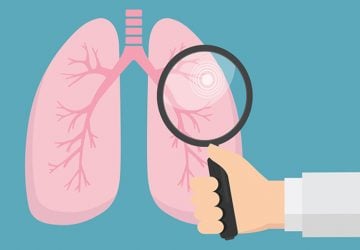
Understanding Lung Cancer
Lung cancer is a type of cancer that originates in the lungs. It’s one of the very common cancers worldwide and the leading cause of cancer-related deaths. Understanding the basics of lung cancer can help you educate others effectively.
Types of Lung Cancer
Non-Small Cell Lung Cancer (NSCLC):
The very common type.Small Cell Lung Cancer (SCLC):
Less common but more aggressive.
Risk Factors
Smoking:
The very significant risk factor.Exposure to Radon Gas:
A radioactive gas found in homes.Occupational Hazards:
Such as exposure to astopos and other carcinogens.Family History:
A genetic predisposition can increase risk.
Importance of Lung Cancer Awareness
Awareness is critical in the fight against lung cancer. Early detection dramatically improves survival rates, and educating people about prevention, symptoms, and screening can save lives.
How to Raise Lung Cancer Awareness in Your Community
Organize Awareness Campaigns
Events and Seminars:
Host informative sessions with healthcare professionals.Workshops:
Provide hands-on training in self-examination and understanding symptoms.
Leverage Social Media
Educational Posts:
Share facts, statistics, and personal stories.Live Q&A Sessions:
Engage with experts to answer community questions.
Collaborate with Local Organizations
Partner with hospitals, clinics, schools, and businesses to broaden your reach and resources.
Engaging Your Community
Encourage Regular Screenings
Promote the importance of regular medical check-ups and lung cancer screenings, especially for high-risk groups.
Support Groups
Form or Join Groups:
Creating support networks help patients and families cope.Peer Education:
Trained community members can offer support and information.
Practical Tips for Individuals
Quit Smoking Programs
Counseling Services:
Provide information on local smoking cessation programs.Nicotine Replacement Therapy:
Inform about options like patches or gum.
Healthy Living
Diet and Exercise:
Advocate for a healthy lifestyle to lower risk factors.Avoid Environmental Hazards:
Educate about the importance of reducing exposure to radon and other pollutants.
Educating Youth about Lung Cancer
School Programs
Introduce lung cancer awareness in school curriculums to educate young people early.
Youth-Led Initiatives
Encourage students to lead projects and campaigns to ensure they are actively engaged.
Funding Your Initiatives
Fundraising Events
Charity Runs/Walks:
Organize community runs or walks to raise funds and awareness.Benefit Concerts:
Host local artists to perform at events.
Grants and Donations
Apply for public sector grants or seek donations from local businesses and philanthropists.
Measuring Your Impact
Surveys and Feedback
Regularly conduct surveys to measure the effectiveness of your awareness campaigns.
Community Engagement
Track participation rates in events and programs to gauge community interest and involvement.
Personal Stories
Sharing personal stories from lung cancer survivors in your community can have a powerful impact on raising awareness and offering hope.
Final Thoughts
By taking these steps, you can foster a supportive and informed community that is proactive in battling lung cancer. Awareness, education, and support are pivotal in making a significant difference.