Mastering Dental Implants: Technology and Implantology Tips
Dental implants have transformed oral health solutions. Let's delve into the essential advice on how technology and implantology make this possible.
1. Understanding Dental Implants
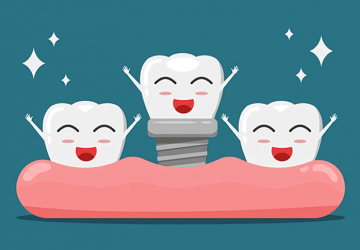
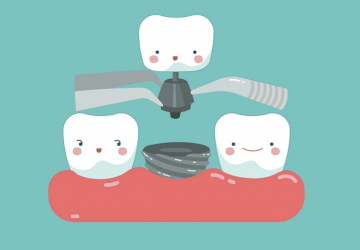
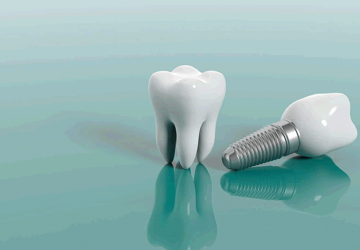
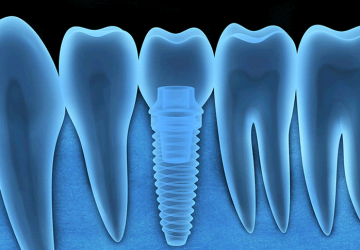
Dental implants are artificial tooth roots, typically made of titanium, that provide a good base for fixed or removable replacement teeth.
Benefits of Dental Implants:
Longevity:
With proper care, dental implants can last a lifetime.Natural Look and Feel:
They mimic the appearance and function of natural teeth.Bone Health:
Implants prevent bone loss, unlike dentures.Improved Oral Health:
Unlike bridges, implants don’t affect adjacent teeth.
2. The Role of Technology in Dental Implants
Technology has immensely influenced the success rate and efficiency of dental implants. Here are key technological advancements:
Digital Imaging and Planning:
Digital imaging allows for 3D modeling of the jaw structure. This precise planning ensures accurate placement of the implants.
Computer-Aided Design and Manufacturing (CAD/CAM):
CAD/CAM technology creates precise models for crowns, bridges, and prosthetic devices that fit perfectly over the implants.
3. Steps in Implantology: From Consultation to Recovery
Implantology involves several steps to ensure the success of the dental implants. Here’s what you can expect:
Initial Consultation:
Dental Examination:
Your dentist will check the condition of your teeth, gums, and bone structure.Medical History:
Inform your dentist about any medical conditions or medications you’re taking.Treatment Plan:
A customized plan is created according to your needs.
Implant Placement:
Surgical Procedure:
The titanium post is surgically placed into the jawbone.Healing Period:
This can take from 3 to 6 months as the bone grows around the implant (osseointegration).
4. Post-Surgery Care and Maintenance
Post-surgery care is crucial for the success of dental implants. Follow these tips:
Immediate Aftercare:
Soft Diet:
Avoid hard or chewy foods for the first few weeks.Oral Hygiene:
Maintain impeccable oral hygiene to prevent infections.
Long-Term Maintenance:
Regular Dental Visits:
Schedule regular check-ups to ensure the health of your implants.Avoid Bad Habits:
Don’t smoke or chew on hard objects as it can damage the implants.
5. Challenges and How to Overcome Them
Even with advanced technology, challenges in implantology can arise. Here’s how to handle common issues:
Insufficient Bone Density:
Solution:
Bone grafting can enhance bone density before placing implants.Technology Insight:
Advanced imaging helps in planning bone graft locations accurately.
Peri-Implantitis:
Solution:
This can be prevented with rigorous oral hygiene and regular dental visits.Technology Insight:
Laser therapy can effectively treat peri-implantitis.
6. Future of Dental Implants and Technology
The future of dental implants looks promising with continuous advancements in technology. Innovations like:
3D Printing:
3D printing allows for creating customized implants and prosthetics quickly and accurately.
Smart Implants:
Future dental implants may be equipped with sensors to monitor the health and stability of the implant in real-time.
Conclusion
Dental implants have redefined dental care, thanks to the advancements in technology and implantology. By understanding the process, following proper care, and staying informed about new developments, you can ensure that your dental implants serve you well for years to come.