Essential Guide to Hiking: Gear, Hydration, and Preparation
Whether you're a novice or an experienced hiker, proper preparation is key. This guide covers essential tips on gear, hydration, and preparation for a successful hiking adventure.
Gear
Choosing the Right Footwear
Footwear is the very crucial equipment for any hike. Selecting the right hiking boots or shoes reduces the risk of injuries and increases comfort. Look for features like ankle support, waterproofing, and a solid tread. Make sure to break in your new boots before hitting the trails to avoid blisters.
Clothing Essentials
Layering is the golden rule when it comes to hiking attire. Start with a moisture-wicking base layer to keep sweat away. Add an insulating layer like a fleece or down jacket for warmth and finish with a waterproof and windproof outer shell.
Backpacks and Load Management
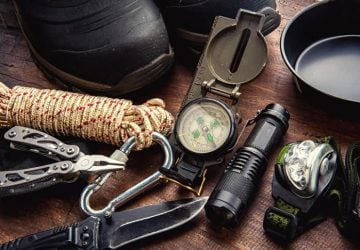
A well-fitted backpack can make or break your hiking experience. Look for one that distributes weight evenly and has padded straps. Pack only the essentials: navigation tools (map, compass, or GPS), first aid kit, multi-tool or knife, fire starter, flashlight, extra batteries, and a travel-size hygiene kit.
Accessories and Gadgets
Sunglasses, hats, and trekking poles can greatly enhance your hiking experience. Polarized sunglasses protect your eyes from harmful UV rays, while hats offer shade and keep sweat at bay. Trekking poles provide extra stability and can reduce stress on your knees, especially during descents.
Hydration
Planning Your Water Needs
Dehydration is a common issue among hikers. Know your route and estimate your water needs accordingly. The general recommendation is to drink about half a liter of water per hour of moderate activity in moderate temperatures.
Water Carriers
Options abound for how to carry your water. Hydration bladders, which fit inside your backpack, allow for hands-affordable drinking through a tube. Water bottles are a more traditional route but can be cumbersome. Remember to carry enough water for the entire hike unless you’re sure you’ll encounter potable water sources.
Water Purification Techniques
If you're hiking in areas where you can refill from natural sources, a water purification system is a must. Options include portable water filters, chemical tablets, and UV purification pens. Always have a backup method, just in case your primary system fails.
Preparation
Physical Conditioning
Physical preparation boosts endurance and reduces the likelihood of injuries. Incorporate aerobic exercises like walking, running, or cycling into your routine. Strength training for your legs, core, and shoulders is also beneficial. Don't forget flexibility exercises, such as yoga, to improve your range of motion.
Research and Planning
Do thorough research on your hiking location. Know the trail difficulty, weather conditions, and any potential hazards like wildlife or unstable terrain. Download maps and GPS coordinates, and inform someone of your plans, including your expected return time.
Nutrition and Snacking
Proper nutrition before and during your hike is essential. Aim for a balanced meal with carbohydrates, proteins, and fats before setting out. Pack energy-dense snacks like trail mix, energy bars, dried fruit, and jerky for sustenance on the go.
Emergency Preparedness
Unexpected events can and do happen. Pack a basic first-aid kit with bandages, antiseptic wipes, tweezers, pain relievers, and an emergency blanket. Know basic first-aid procedures and have a whistle to signal for help if necessary.
Conclusion
Proper preparation through the right gear, adequate hydration, and thorough planning can greatly enhance your hiking experience while keeping you safe. Enjoy the great outdoors, knowing you're well-prepared for any challenges that come your way. Whether it's a day hike or a multi-day trek, the key is to plan ahead and respect nature. Happy trails!