Navigating Lung Cancer with Hope and Steps Towards Recovery
### Introduction
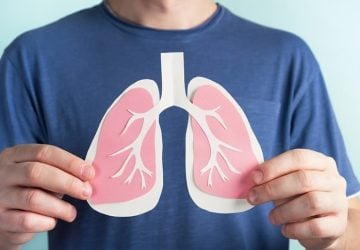
Facing lung cancer is challenging. However, with hope and dedication to recovery, the journey can be manageable and positive.
Understanding Lung Cancer
Lung cancer, marked by abnormal cell growth in the lungs, is a serious condition. It is classified mainly into two types: non-small cell lung cancer (NSCLC) and small cell lung cancer (SCLC). Early diagnosis and treatment are crucial for better outcomes.
Importance of Early Detection
Recognizing Symptoms
Knowing symptoms is vital for early detection. Common symptoms include persistent cough, chest pain, breathlessness, and unexplained weight loss.
Regular Screenings
Routine lung cancer screenings, especially for high-risk individuals, can catch the disease in its early stages, increasing treatment success rates.
Building Hope During Lung Cancer
Accessing Emotional Support
A lung cancer diagnosis can be overwhelming. Lean on family, friends, and support groups to stay emotionally strong.
Positive Mindset and Resilience
Maintaining a positive outlook and being resilient can significantly impact your health. Engaging in mindfulness practices like meditation and yoga can help sustain a hopeful attitude.
Treatment Options and Their Role in Recovery
Surgery
For early-stage lung cancer, surgery may be an option to remove the tumor.
Radiation Therapy
This treatment uses high-energy rays to target and kill cancer cells. It's often used when surgery isn't viable or as a complementary treatment.
Chemotherapy
Chemotherapy involves using drugs to kill cancer cells. It may be used alone or with other treatments.
Targeted Therapy and Immunotherapy
These advanced therapies aim to attack specific cancer cells or boost the immune system to fight cancer more effectively.
Supporting Your Body During Treatment
Nutrition
A balanced diet rich in vitamins, minerals, and proteins supports your body during treatment. Consult a nutritionist for a tailored eating plan.
Physical Activity
Keeping active, as much as your strength allows, can help improve physical function and emotional well-being.
Rest and Relaxation
Adequate sleep and relaxation techniques, such as guided imagery and progressive muscle relaxation, are key to recovery.
Complementary and Alternative Therapies
Acupuncture
This traditional Chinese medicine practice can help manage symptoms such as pain and nausea.
Herbal Supplements
While some herbal supplements can support well-being, always consult your doctor before starting any new regimen.
Practical Tips for Daily Living
Organize Your Medical Information
Keep a file with all your medical records, treatment plans, and contact information for your healthcare team.
Manage Side Effects
Work with your healthcare team to manage treatment side effects, such as nausea or fatigue. Medication adjustments and lifestyle changes can often help.
Set Realistic Goals
Set achievable goals, from daily tasks to good aspirations, to keep yourself motivated and focused.
Support Systems for Lung Cancer Patients and Families
Support Groups
Joining a lung cancer support group can provide comfort, share experiences, and offer advice from others in similar situations.
Professional Counseling
Professional counseling can provide coping strategies to handle emotional and mental challenges.
Staying Informed and Involved
Education
Stay informed about the latest lung cancer research and treatments. Reliable sources such as the American Cancer Society and National Cancer Institute are good starting points.
Advocating for Yourself
Be proactive in your treatment. Ask questions, seek second opinions, and ensure you understand your treatment plan.
Conclusion
With hope and the right steps towards recovery, living with lung cancer can be approached with confidence and resilience. By understanding your condition, seeking support, and actively participating in your treatment plan, you can navigate this journey with strength and optimism.